
Hair Transplant in Turkey: True Total Cost
hair, hair care, hair transplant, hair restoration, hair style, hair growth, hair problem, hair care, hair transplant, hair transplant, hair transplant, hair transplant, hair transplant

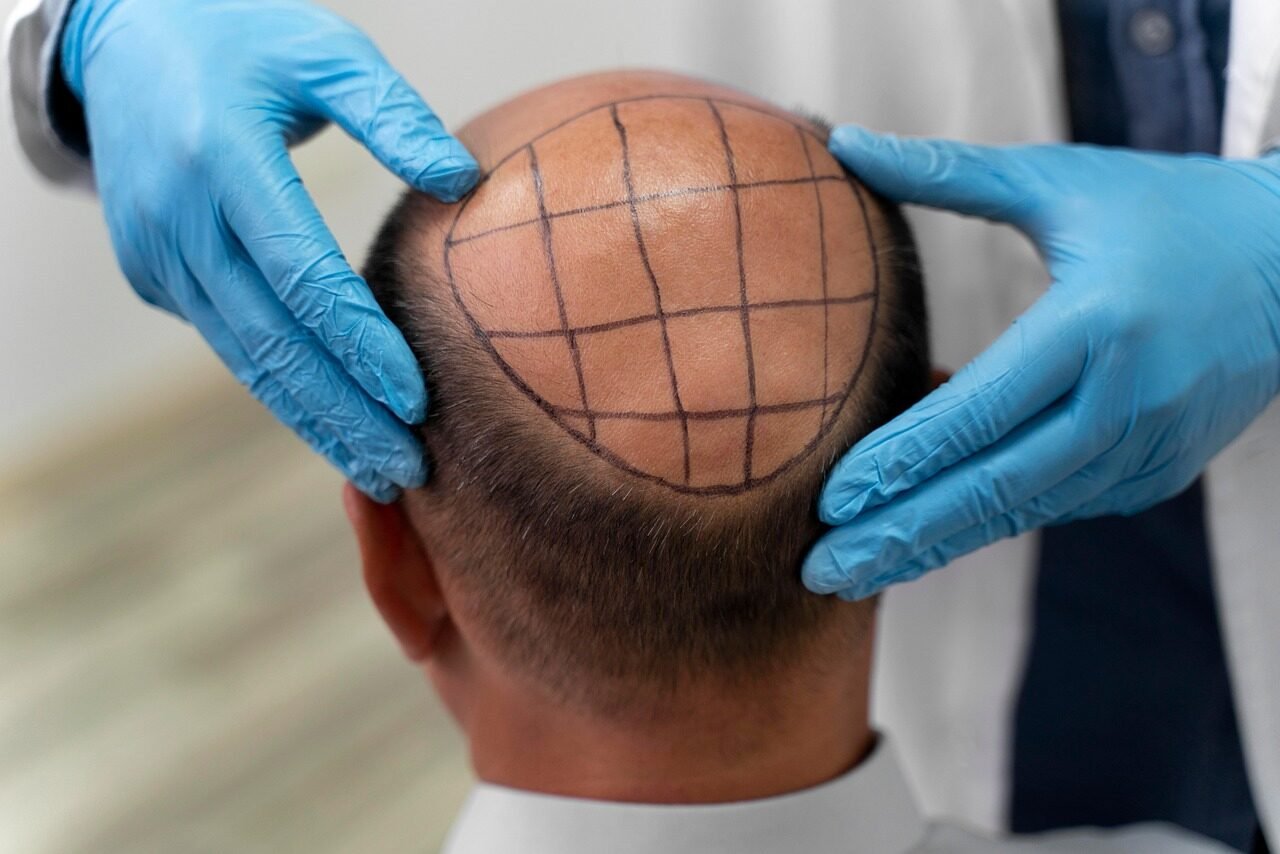
Turkey has become the default answer to “where should I get a hair transplant?” The pitch is simple: a package in Istanbul for $2,000–$5,000, hotel and transfers included, versus a US clinic charging $10,000 to $25,000. The Turkey side of that comparison is mostly accurate. The US side often isn’t. A 2026 national cost survey puts the average US FUE hair transplant far lower than the figures Turkish clinics advertise. Below, we run the numbers with flights included, show when Turkey saves you real money, and explain the one risk that matters more than price. Key takeaways Most published all-inclusive Turkey packages fall between $2,000 and $5,500, usually including hotel, transfers, and medications, but not flights. A 2026 survey for CareCredit puts the average US FUE transplant at $6,344 (range $4,417–$10,640). That is far below the $10,000–$25,000 many Turkish clinics use as the US comparison. Against that average, a solo trip to Turkey saves about 23%. Against a typical per-graft US quote for a larger session, it saves 60–72%. The bigger risk isn’t price. It’s who holds the instruments: 59% of surveyed hair restoration surgeons report black-market clinics in their cities (ISHRS, 2025). The short answer: what you actually save These scenarios assume one FUE session of about 2,500 grafts, a mid-market Turkey package of $3,500, and about $1,400 in travel for a solo trip from the US. Your US quote US price Turkey all-in (incl. flights) You save Savings % US survey average (FUE) $6,344 $4,900 $1,444 23% Per-graft quote: 2,500 grafts × $5 $12,500 $4,900 $7,600 61% Per-graft quote: 2,500 grafts × $7 $17,500 $4,900 $12,600 72% US average: 2026 Synchrony/CareCredit procedural cost study (ASQ360). Per-graft rows are illustrative US quote levels, not survey data. Turkey figure: midpoint of published all-inclusive packages reviewed in 2026. Travel assumptions in the worksheet below. Not a quote. Why US prices look so different depending on who you ask US clinics usually price per graft. Turkish clinics usually price per package. That mismatch is where most misleading comparisons come from. A per-graft quote scales with the size of your session: 1,500 grafts and 3,500 grafts produce very different bills at the same rate. The CareCredit survey reports an average procedure price but not the graft count behind it, so it likely blends smaller and larger sessions. Turkish marketing pages, meanwhile, tend to compare their package against a large US session at a premium per-graft rate. The fix is simple: get a US consultation that states your graft count and price per graft in writing. Multiply them. That number, not an internet average, is what you compare against Turkey. Run your own numbers Savings = (US graft count × US price per graft) − (Turkey package + flights + extras) Travel line item (illustrative) Assumption Estimate Round-trip flight, US to Istanbul Economy, one person $1,100 Meals & incidentals 3–4 days; hotel and transfers in package $300 Total travel (solo) $1,400 Add a companion Second flight + incidentals +$1,400 Assumptions, not data. Fares from your home airport may differ substantially. Not included: time off work (typically 3–4 days in Istanbul plus two long travel days). Break-even: with these assumptions, Turkey saves money only if your US quote exceeds about $4,900 traveling solo, or $6,300 with a companion. Most per-graft US quotes for a full session clear that bar easily. Quotes near the survey average may not justify a transatlantic trip. What a Turkey package should include (in writing) A graft count estimate based on photos of your donor area, and a post-surgery graft count report Technique (FUE, sapphire FUE, DHI) and why it was chosen for you The name of the doctor, and which steps they personally perform: hairline design, extraction, incisions, implantation Number of hotel nights, transfers, medications, and the post-op wash Follow-up schedule after you fly home, and what happens if growth is poor Be cautious with very high graft promises made from a single photo. Your donor area is finite, and grafts taken now can’t be used for future sessions. The hidden cost nobody puts in the quote: a second procedure Hair loss is usually progressive. A transplant moves hair you have; it doesn’t stop you from losing more around it. Many patients use ongoing medical therapy such as minoxidil or finasteride to protect results, and some need a second session years later. If that happens, it’s another round trip. This matters most for younger patients. ISHRS reports that 95% of first-time surgical patients in 2024 were between 20 and 35. Many surgeons caution against transplanting under 25, when the future pattern of loss is hard to predict. Ask any clinic how their plan accounts for the hair you’ll lose over the next 10 years. Insurance and taxes: don’t count on either Hair transplants are treated as cosmetic. Insurance typically won’t cover them, and IRS Publication 502 excludes hair transplants from deductible medical expenses, which also generally rules out paying with HSA or FSA funds. Budget in after-tax dollars. The risk that matters more than price The International Society of Hair Restoration Surgery’s 2025 practice census found that 59% of member surgeons report black-market hair transplant clinics in their cities, up from 51% in 2021. On average, 10% of their repair cases came from prior black-market surgeries, up from 6%. These are worldwide figures, not specific to Turkey, but Turkey’s volume makes the issue impossible to ignore. The typical problem is unlicensed technicians performing surgical steps that should be done by a doctor. A failed transplant is expensive twice: repair surgery costs money, and it draws on the same limited donor supply. How to verify a Turkish clinic before you book Government authorization: Turkey’s Ministry of Health publishes lists of facilities authorized to treat international patients on its Health Tourism Department site (in Turkish; lists last updated August 2026). Search for the exact facility name on your quote, not the brand name. The doctor: get the operating physician’s full name and confirm their credentials independently. A clinic that only mentions … Read more
All-on-4 in Mexico: What It Really Costs With Both Trips

all on 4 dental implants belfast, braces belfast, composite bonding belfast, dental implants belfast, dentist belfast, invisalign belfast, teeth whitening belfast, veneers belfast

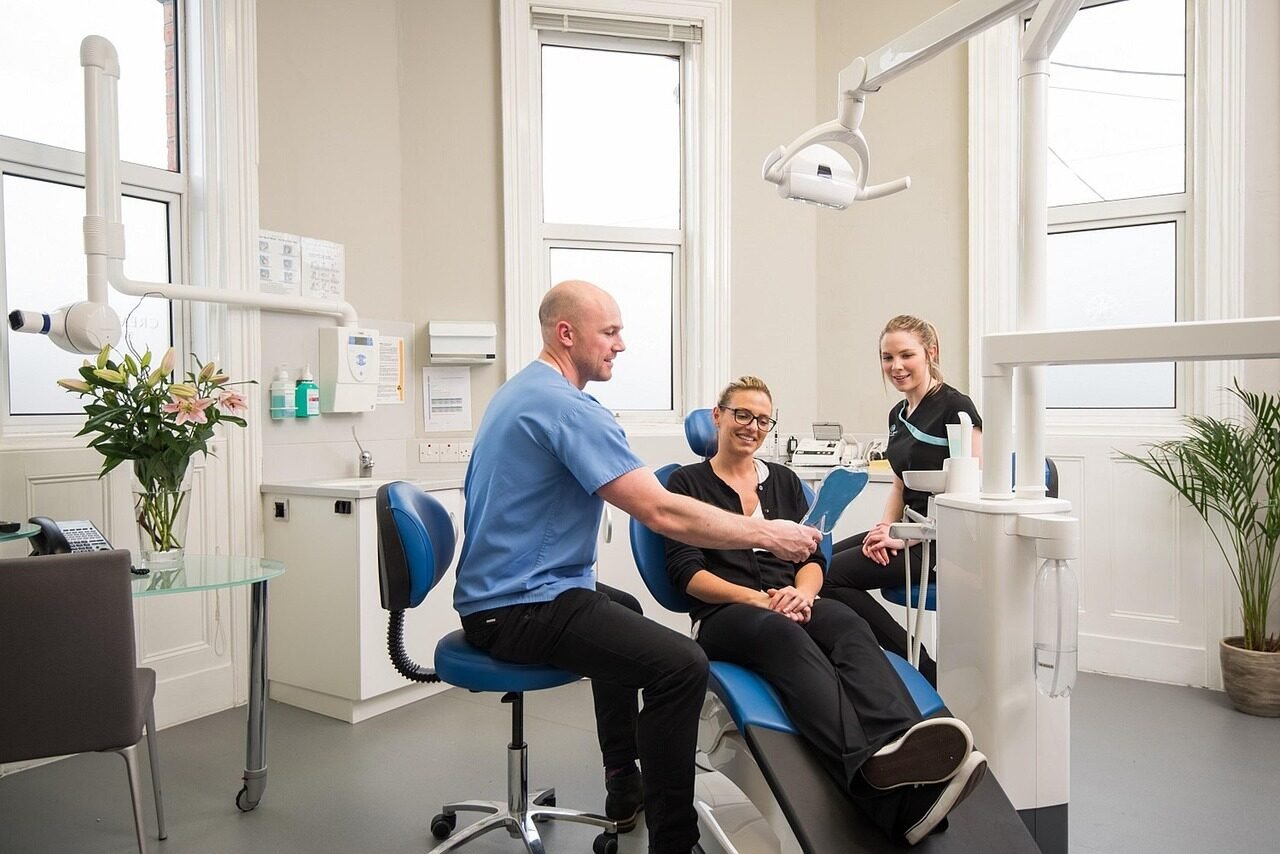
Dental care is the single most common reason Americans travel abroad for treatment, and Mexico is one of the top destinations, according to the CDC Yellow Book. The pull is obvious: most online guides promise 60–75% savings on All-on-4 in Mexico. The problem is that those numbers usually compare a Mexico package price against an inflated US figure, and they leave out the fact that All-on-4 takes two trips. This guide does the math the honest way: real US benchmarks, both trips included, one arch versus two. Then it shows you exactly where Mexico wins big, and where it barely breaks even. Key takeaways Published all-inclusive All-on-4 packages in Mexico mostly fall between $7,000 and $12,500 per arch. The US national average is about $15,176 per arch (range $11,640–$27,500), per CareCredit — far below the $25,000–$45,000 many Mexico marketing pages quote. Two trips add a fixed travel cost (our illustrative estimate: ~$4,000 for a patient plus companion). That cost is the same whether you do one arch or two. Result: one arch against an average US quote saves roughly 9%. Two arches against a high US quote saves roughly 57%. Your local quote decides everything. The short answer: what you actually save Here are four scenarios using the same assumptions: a mid-range Mexico package of $9,750 per arch (the midpoint of published packages) plus about $4,000 in travel for two trips. Scenario US quote Mexico all-in (incl. both trips) You save Savings % 1 arch, average US quote ($15,176/arch) $15,176 $13,750 $1,426 9% 1 arch, high US quote ($27,500/arch) $27,500 $13,750 $13,750 50% 2 arches, average US quote $30,352 $23,500 $6,852 23% 2 arches, high US quote $55,000 $23,500 $31,500 57% US figures: CareCredit national average and top of range, 2026. Mexico figure: midpoint of published all-inclusive packages reviewed in 2026. Travel: illustrative assumptions shown in the worksheet below. Acrylic-hybrid prosthesis; zirconia costs more in both countries. Not a quote. Why “save 70%” headlines mislead you Many clinic and facilitator pages benchmark US All-on-4 at $25,000 to $45,000 per arch. Those prices exist, mostly for zirconia prostheses in expensive metro markets. But CareCredit, which finances dental treatment nationwide, puts the national average at $15,176 per arch, with most quotes between $11,640 and $27,500. Compare a $9,750 Mexico package to a $40,000 US figure and you get a dramatic 75%. Compare it to the average US quote, add two trips, and the single-arch saving shrinks to around 9%. Both numbers can be “true.” Only one is useful to you, and it depends on your local quote. That is why the first step is not booking a flight. It is getting an itemized, written All-on-4 quote from a dentist near you. The two-trip reality (and why arch count changes the math) All-on-4 is not a one-visit procedure. Typical published timelines for Mexico look like this: Trip 1 (about a week): scans, extractions if needed, implant placement, and a temporary fixed bridge, often the same or next day. Healing at home (roughly 3–6 months): the implants fuse with your jawbone while you wear the temporary teeth. Trip 2 (about 3–7 days): fitting of your final, permanent prosthesis. Here is the part most cost pages skip: travel cost is fixed per trip, not per arch. Doing both arches costs roughly the same in flights and hotels as doing one. That is why the savings percentage jumps when you treat a full mouth. If you need extensive bone grafting, some clinics add a third trip. Ask before you book. Run your own numbers in 2 minutes Use this formula with your real quotes: Savings = (US quote per arch × arches) − (Mexico quote per arch × arches + travel for both trips) Travel line item (illustrative) Assumption Estimate Flights $450 round trip × 2 people × 2 trips $1,800 Hotel (if not in package) 10 nights × $120 $1,200 Meals & local transport 10 days × $100 for two people $1,000 Total travel $4,000 These are assumptions, not data. Many all-inclusive packages already include hotel and transfers; if yours does, subtract those lines. Not included: lost income from time off work. Your break-even point: with these assumptions, Mexico only saves money if your US quote is above about $13,750 per arch for one arch, or about $11,750 per arch for two arches. Below that, stay home. What an honest “all-inclusive” quote must include Low headline prices often exclude items that are required, not optional. Before comparing any quote, US or Mexico, make sure it states in writing: 3D CBCT scan and treatment planning Extractions and any bone grafting Four implants, abutments, and the implant brand The temporary bridge and the final prosthesis, with material (acrylic hybrid vs. zirconia) Sedation or anesthesia Follow-up visits, warranty terms, and what happens if an implant fails Per arch or both arches (this single detail can double a quote) Will insurance close the gap at home? Usually not. According to ADA News, citing the National Association of Dental Plans, 32.8% of in-network dental plans cap annual benefits between $1,000 and $1,500. The American Dental Association itself adopted a policy in 2024 opposing annual maximums. A $1,500 cap barely moves a five-figure All-on-4 bill, whether you are treated in Denver or in Tijuana. If your plan reimburses out-of-network care, request a written pre-determination before you travel. Two tax angles are worth checking with a tax professional: HSA/FSA: dental treatment is a qualified medical expense, so pre-tax funds can reduce your effective cost. Itemized deduction: IRS Publication 502 allows transportation costs for a trip primarily for and essential to medical care. The lodging allowance (up to $50 per person per night) applies only when care is provided by a doctor in a licensed hospital or an equivalent facility, so a standalone dental clinic may not qualify. Meals are not deductible, and only expenses above 7.5% of your adjusted gross income count. Is the result as durable as US work? All-on-4 as a technique has strong long-term data. The largest long-term … Read more

How to Plan a Medical Trip Abroad: A Step-by-Step Guide

Learning how to plan a medical trip abroad is less about finding the cheapest clinic and more about protecting yourself at every step — before you book, while you travel, and after you fly home. Done well, treatment abroad can deliver real savings and excellent care. Done carelessly, it can leave you with a complication, an unfamiliar health system, and no one accountable back home. This guide walks through the decisions that actually matter, in the order they matter. We don’t take referral payments from clinics, so we have no incentive to push you toward a destination or procedure that isn’t right for you — and sometimes the honest answer is to stay home. Step 1: Decide whether going abroad is actually the right call Not every procedure or patient is a good candidate for medical travel. Straightforward, planned procedures with predictable recovery — much dental work, hair restoration, many bariatric and orthopedic cases — travel well. Anything with a high complication rate, a long or unpredictable recovery, or a strong need for ongoing follow-up close to home deserves a harder look. Be honest about your own health, too. If you have significant underlying conditions, the added risks of surgery plus long-haul travel can outweigh the savings. Start with a candid conversation with your regular doctor before you commit to anything. Step 2: Match the procedure to the right destination Once you’re confident travel makes sense, choose the destination around the procedure — not the other way around. Three factors should drive the shortlist: Step 3: Vet the facility and the surgeon separately This is where most people cut corners. Treat facility accreditation and surgeon credentials as two different questions, because they are. Facility. International accreditation — most recognizably from Joint Commission International (JCI) — signals that a hospital meets defined safety and quality standards. You can search JCI’s directory yourself to confirm a claim rather than taking a clinic’s word for it. Important caveat: JCI accreditation is common among large hospitals but rare among the high-volume standalone clinics that dominate dental, hair-transplant, and cosmetic categories. An excellent clinic may hold a different national accreditation instead (or none), so absence of JCI isn’t automatically disqualifying — it just means you dig deeper. Surgeon. Facility accreditation says nothing about the person holding the scalpel. Confirm the individual surgeon’s board certification, case volume in your specific procedure, and complication data. A JCI hospital with the wrong surgeon is not a safe bet. Step 4: Price the real, all-in cost The quoted procedure price is rarely the number that matters. Build your true budget from every line: A price that looks like a bargain against a US surgeon’s fee can evaporate once you compare it to the all-in US cost and add your travel. That comparison is where a lot of “savings” claims fall apart. Marketing sites often stack an abroad package price against a US surgeon-fee-only number, or against a hospital’s inflated list price that almost no insured patient actually pays. That’s apples-to-oranges. To know your real savings, compare like for like: your all-in abroad total (procedure, travel, lodging, aftercare, buffer) against a realistic all-in US total. Run your numbers through our cost calculator to get an honest, itemized estimate for your procedure and destination before you talk to anyone. Step 5: Handle the medical logistics before you fly Give yourself four to six weeks of lead time for the medical prep. Per CDC guidance, medical travelers should be current on routine vaccinations and, where relevant, consider a visit with a travel-medicine specialist ahead of the trip. Practical checklist: Step 6: Plan the travel logistics around recovery, not sightseeing The trip is a recovery, not a vacation with a procedure attached. Build the itinerary accordingly. Flying too soon after surgery raises the risk of blood clots (deep vein thrombosis). The CDC advises delaying air travel for roughly 10–14 days after major surgery — particularly chest procedures — to reduce risk. Bake that recovery buffer into your dates before you book flights, and plan to travel with a companion who can help during recovery. On insurance: verify whether your policy covers anything abroad. The US State Department is blunt that the US government does not pay medical bills overseas, and many facilities require payment upfront. Look into dedicated medical-travel or travel-medical insurance, and read the exclusions carefully — elective procedures are often specifically excluded. Step 7: Line up your aftercare before you leave home The part budget clinics and lead-generation sites gloss over is continuity of care. Complications can appear after you’ve flown home, and your local doctor didn’t perform the procedure. Before you travel, identify who will manage your follow-up at home and confirm they’re willing to. Get your operative notes and a clear aftercare plan from the treating clinic, in a language your home provider can use. Knowing exactly who you’ll call — and what it will cost — turns a scary “what if” into a manageable plan. Red flags to walk away from Ready to price it out honestly? The fastest way to turn this from research into a plan is to see the real, all-in numbers for your specific case. Start with our cost calculator, then explore the destination hub that fits your procedure — Mexico, Turkey, Thailand, or India — to see typical published ranges and what to expect on the ground. Frequently asked questions How far in advance should I plan a medical trip abroad? Give yourself at least six to eight weeks. That covers medical prep (records, prescriptions, and any pre-travel health consult four to six weeks out), clinic vetting, and building a recovery buffer into your travel dates. Is medical tourism safe? It can be, when you vet the facility and surgeon independently, choose a procedure suited to travel, and plan aftercare at home. Risk rises sharply when people pick on price alone. Independent resources like the CDC’s medical tourism page lay out the specific risks to weigh. What’s the biggest hidden cost of … Read more