
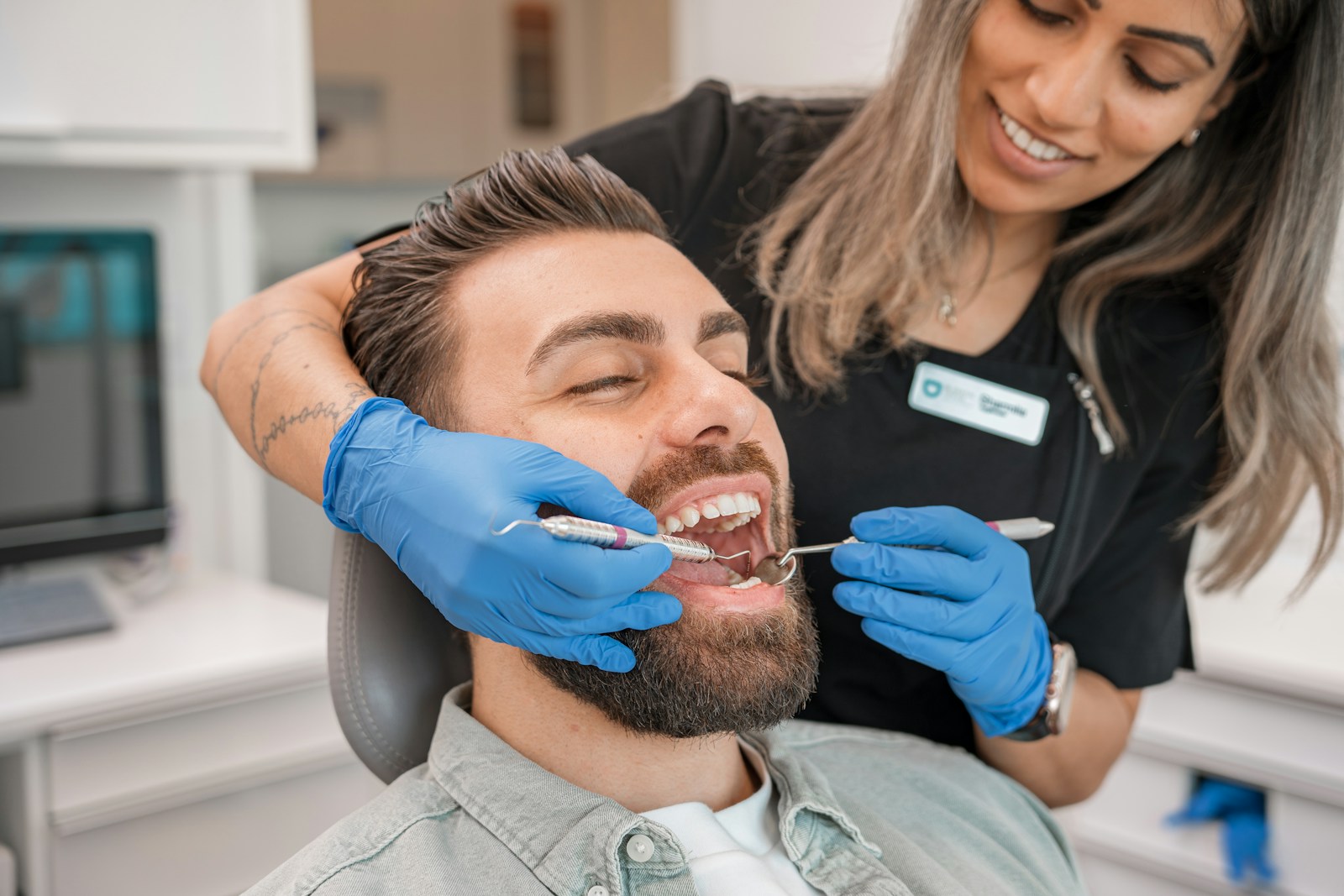
Dental treatment abroad has become a serious option for patients who want to reduce costs, shorten waiting times, or access clinics that regularly work with international visitors. From implants and crowns to veneers and full-mouth restoration, many procedures are now commonly researched through the lens of medical tourism.
The first thing many patients look at is price. That makes sense, but price alone should not drive the decision. A lower treatment quote may look attractive at the start, but patients also need to understand what is included, what may cost extra, and whether follow-up care is built into the plan.
The right country depends on the type of dental work being considered. Some patients prioritize affordability above all else, while others care more about travel convenience, communication, clinic experience, or the ability to combine treatment with a longer stay. That means there is no single “best” country for every patient.
Patients should also think about logistics. Dental work often requires timing, coordination, and in some cases multiple visits. A clinic may offer an appealing treatment price, but if the process is poorly organized, unclear, or rushed, the overall experience may become frustrating very quickly.
Another important factor is communication. International patients need clarity before they travel. That includes treatment planning, appointment scheduling, estimated timelines, possible recovery needs, and a clear explanation of what happens if extra work is recommended after arrival. Clinics that handle these points well usually provide a smoother patient journey.
The quality of the clinic and dental team matters more than marketing language. Patients should review real treatment details, ask what diagnostics are used, understand who will be involved in care, and make sure expectations are realistic. A good clinic should communicate clearly rather than pushing an overly perfect result or promising too much too early.
The best dental tourism decision usually comes from comparing countries in a practical way. Instead of asking only which destination is cheapest, patients should ask which option offers the best balance of quality, support, transparency, and treatment planning for their specific needs.
For patients considering dental treatment abroad, the smartest next step is to compare destinations carefully, ask detailed questions, and evaluate the full treatment journey rather than focusing only on the headline price.